
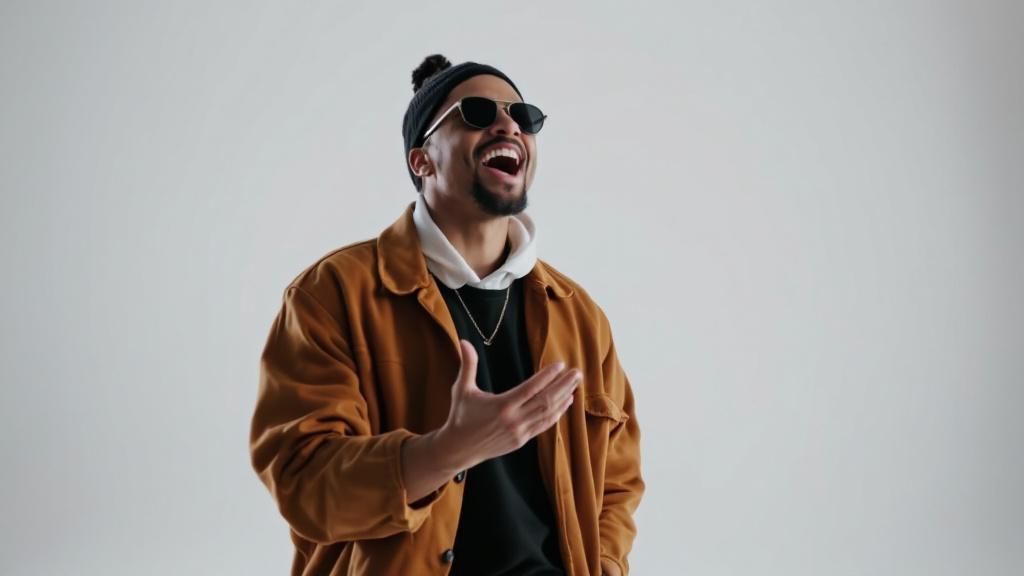
In an growing digital environment, social media has dramatically reshaped how audiences locate, experience, and connect with music. A distinguished musician lately disclosed honest perspectives into this major upheaval, exploring how platforms like TikTok, Instagram, and YouTube have reshaped the entertainment industry. From democratising artist discovery to questioning traditional record label models, social media’s influence is beyond question. This article analyses the prospects and obstacles facing modern musicians, investigating how they’re adapting their strategies to thrive in an era where breakout content can propel artists to fame overnight.
The Growth of Direct Fan Engagement
Social media has dramatically altered the connection between artists and fans, eliminating traditional intermediaries that once managed artist-fan communication. Platforms such as Instagram, TikTok, and Twitter now allow performers to share their creative journey, individual perspectives, and upcoming work to vast audiences in real time. This remarkable openness has nurtured more meaningful bonds between creators and devoted followers, transforming passive listeners into active participants who feel genuinely invested in an performer’s creative path and professional development.
The implications of this direct engagement are deep and complex. Artists can now collect instant responses on original content, validate approaches with their audience before formal distribution, and cultivate loyal communities that deliver crucial assistance throughout their creative journeys. Furthermore, this opening up of channels has empowered emerging musicians to develop large followings independently, circumventing traditional barriers that historically dominated the music business. Consequently, the traditional power dynamics between record labels, promoters, and artists have moved significantly, creating unprecedented opportunities for creative control and monetary freedom.
Challenges of Constant Connectivity
Whilst social media has certainly opened doors for emerging artists, the unending requirement for perpetual content output presents considerable obstacles. Artists now find themselves obligated to maintain an virtually uninterrupted online presence, crafting engaging multimedia updates to maintain audience engagement and platform algorithms. This pressure redirects essential time and energy from the creative process itself, risking damage to the calibre of artistic work. Furthermore, the requirement to remain perpetually contactable can exact a significant cost on emotional resilience, as musicians struggle against audience judgment, hostile remarks, and the anxiety of maintaining relevance in an ever more crowded digital marketplace.
The algorithmic nature of digital social networks generates further challenges for artists pursuing sustainable careers. Achievement is not determined solely by talent or artistic merit; instead, it relies significantly on grasping how platforms work, posting schedules, and content trends. This unpredictability means that even exceptionally talented artists can find it difficult to build momentum, whilst others gain widespread attention by being novel rather than authentic creative work. Moreover, the fleeting character of online engagement means that maintaining momentum requires constant reinvention, trapping artists trapped within an relentless pattern of change and output that frequently seems removed from authentic creative expression.
The Prospects of Music and Online Services
The progression of the music industry appears fundamentally connected to the evolution of digital platforms. As AI and machine learning progressively develop, tailored music curation will become progressively more refined, significantly transforming how listeners discover new artists. Digital streaming providers are investing heavily in algorithmic curation, which offers to broaden artist visibility further whilst simultaneously raising questions about artistic value and market sustainability. The musician highlighted that adaptability will be paramount for those aiming for lasting success in this fast-changing landscape.
Developing technologies present both unprecedented opportunities and significant obstacles for contemporary musicians. Virtual reality concerts, distributed ledger payment models, and digital collectibles constitute uncharted domains that musicians are starting to investigate experimentally. However, the enduring feasibility of these innovations stays questionable, and considerable numbers of creators demonstrate hesitation about their sustained potential. The prevailing view indicates that whilst innovation is necessary, maintaining authentic connections with audiences through established channels stays equally vital for establishing enduring professional trajectories and fostering authentic audience commitment.
Looking ahead, successful musicians will probably adopt combined approaches that leverage social media’s audience whilst maintaining creative authenticity and creative ownership. The democratisation of music production technology means that home-based creators now stand shoulder to shoulder with major studios, substantially transforming industry structures. However, the human element—narrative craft, emotional depth, and genuine connection—cannot be duplicated by algorithms or technology. The musician concluded that this equilibrium of creative progress and genuine expression will eventually shape the next generation of entertainment industry achievement.
